

PA systems for hybrid events: Ensuring crystal-clear sound in-person and online
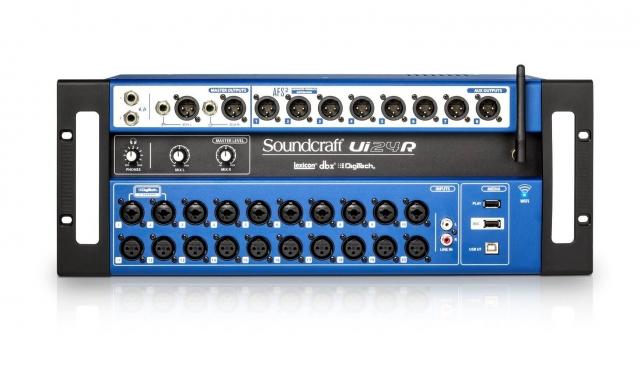
Hybrid events require precise audio quality to maintain engagement with diverse audiences. The audio solutions built for these events enable clear communication between live participants and digital viewers. Modern audio systems unite powerful sound transmission capabilities with intelligent adaptive features to improve interaction and audio clarity. Event success relies on detailed planning and dependable equipment systems to achieve execution excellence and participant contentment. The strategic design of audio systems results in exceptional event outcomes.
Understanding hybrid event audio needs
Hybrid events need sound management solutions that merge strategies to optimise audio quality between in-person spectators and remote participants. Professionals evaluate venue acoustics and streaming conditions to ensure continuous audio clarity throughout the event. Expert assessments reveal that ambient noise and signal interference represent key challenges. Event organisers who understand these requirements can develop solutions that create effective communication channels.
During planning, professionals choose suitable equipment for different environments and customise system settings. The implementation of this approach creates better audience engagement while delivering uniform audio quality throughout different platforms. The development of solid audio frameworks depends on expert guidance. These steps lead to sound systems that fulfil changing event specifications.
Integrating in-person and online sound
The successful integration of sound for hybrid events demands precise synchronisation of audio signals between physical locations and digital platforms. This requires precise calibration to achieve optimal volume levels, clear sound quality, and prompt delivery timing. Technical experts analyse equipment compatibility and adjust system parameters to create smooth transitions between live acoustics and streamed content. Audio harmonisation creates a uniform listening experience that eliminates delays and maintains clear quality, with adaptation to environmental changes.
The combined effort of audio technicians working with event coordinators results in sound optimisation for both in-person and virtual audiences, which leads to enhanced event enjoyment. Meticulous testing and continuous monitoring enables this synchronisation and adjustments for any unexpected problems while maintaining consistency.
Key components of PA (Public Address) systems
A PA solution for hybrid events uses multiple parts that operate together to achieve great sound output. It integrates speakers with amplifiers, mixers and microphones to process audio through dedicated functions. The selection of components depends on both the venue dimensions and the event complexity level. Sound engineers stress that high-quality cables and connectors serve as essential elements to preserve signal integrity.
System components require routine calibration and adjustment to provide clear output. Each part receives dedicated attention, which creates stable performance while reducing technical problems in live and online presentations. Regular inspections and professional maintenance work in tandem to strengthen the stability and provide flawless audio delivery across every event.
Tech enhancements in audio
Modern technology has produced substantial improvements in audio clarity. State-of-the-art PA systems combine digital signal processing with wireless connectivity to allow instant real-time sound adjustments. This enables real-time adjustments of volume levels and equalisation settings through dynamic control that responds to venue conditions. Software tools provide remote monitoring and instant troubleshooting functions to minimise event downtime.
Artificial intelligence integration optimises sound performance through intelligent analysis and prediction capabilities. All of this creates superior sound delivery standards that provide listeners with pristine audio experiences across all event types and locations. Continuous research and development drives innovations that create resilient systems that adapt to changing event requirements.
Planning for optimal sound performance
Achieving superior sound outcomes demands coordination between technical staff and event planning teams. The foundation of success lies in detailed equipment setup planning and thorough testing schedules. Proactive measures implemented before events start help prevent technical problems arising during the performance. Event planners must evaluate room acoustics alongside audience capacity and digital signal quality during their preparatory work, whilst technicians assess backup strategies to handle unexpected obstacles.
Organisers sometimes hire PA systems from external providers to meet their specific requirements. The strategic use of resources ensures both reliable performance and high-quality audio delivery, which maintains audience engagement throughout the event. Developing detailed plans ensures dependable performance while delivering lasting audience satisfaction everytime.
Ensuring visual and audio cohesion
The successful integration of visual components with audio elements remains essential for hybrid events. Stage design combines with projection systems and sound configurations to deliver a unified visual-audio experience. Sound experts partner with visual specialists to guarantee that all components of the event function together. This approach focuses on maintaining minimal disruption while ensuring all media performs synchronously.
Event professionals often add services such as lighting hire in Perth to optimise the performance atmosphere. The goal is to create an immersive experience that fulfils both live attendees and remote viewers, thereby increasing event success.
In sum, optimal PA systems are necessary for hybrid events. Better sound quality merges in-person and online experiences and reliable audio integration and strategic planning are essential for event coordinators. Sound management is an effective way to enhance audience engagement and satisfaction, whilst innovative tech and expert execution drive successful events.