

From kernel to crumb: How pipework plays a key role in efficiency and safety in milling operations
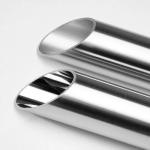
The transformation of harvested grain into essential flour for numerous food products involves an intriguing and complicated process. The machinery inside a grain milling factory performs a precise choreography to grind, separate and transport vast amounts of material. The pipework serves as a vital yet frequently overlooked component of this operation. This system, which spans towering grain silos to advanced milling equipment and dust extraction, serves as a vital element for operations while ensuring hygiene and safety protocols. This article will examine effective pipework implementation in grain milling facilities by investigating how smart design choices and material selection reduce downtime and minimise risks.
A grain milling factory functions like an enormous organism which operates with precise tuning. Pipework functions as both the circulatory and respiratory system of the plant by transporting grain and flour while removing processing dust by-products. Optimising this system ensures the organisation operates at its optimal performance level. The grain travels through a series of pipelines during processing and they play a critical role in its journey.
Large structures like a grain silo or cyclone dust separator depend upon pipework to handle both their intake and discharge operations. Grains of different grades, which undergo specific milling processes and produce distinct final products, get stored separately in designated silos. Specialised systems enable accurate distribution of these valuable commodities to the proper milling lines while preventing cross-contamination. Proper separation between different grain types maintains the high quality and product consistency required by the baking industry and food manufacturers.
Once the chosen grain embarks on its journey through the mill, a complex network of pipes conveys it between various stages of processing: cleaning, tempering, grinding and sifting. The various milled grain fractions, such as coarse semolina or fine flour, move through pneumatic conveying systems along additional networks of pipes towards either storage or packaging areas.
Modular pipework: A game changer for flexibility and maintenance
Traditional welded pipework creates extensive problems during installation as well as when modifications or maintenance and cleaning are required. Modular systems, which have gained popularity in modern milling environments, provide substantial benefits. They connect standardised components through quick-acting clamping rings and border sealing rings.
This makes installation much quicker, which helps decrease both the initial timeline and costs of a project. Routine cleaning and blockage removal become much more straightforward and time-efficient through dismantling of just the sections required. Production interruptions thus become significantly shorter, which is essential for maintaining efficient product throughput. Maintaining hygienic conditions requires straightforward access to pipe interiors for cleaning, which in turn prevents residue accumulation that could cause product spoilage or contamination.
Food-grade hygiene and material processing requirements
The process of milling remains highly sensitive to hygiene standards despite dealing with dry products. Because flour is used in countless food products the processing systems need to meet extremely high quality standards. Non-porous stainless steel surfaces resist bacterial growth, making it the preferred material for food applications.
The food production industry requires materials that resist corrosion because of the demanding cleaning and disinfection protocols they must endure. Stainless steel types such as 304 and 316 maintain their performance under harsh chemicals and repeated washdown processes, which ensures that the pipework system remains safe and reliable. The enhanced durability of materials also results in long-term financial savings because it decreases the demand for regular replacements.
Mitigating the risk of flour dust explosions
The risk of flour dust explosions stands as the primary safety issue faced by the grain milling industry. It becomes highly explosive when it remains airborne at optimal concentration levels next to an ignition source. The pipework design and specifications for extraction systems are fundamental elements in reducing the risk of explosion. Industry standards recommend stainless steel pipes ranging from DN 120/150 to DN 200 millimetres and wall thicknesses between one and three millimetres for dust extraction systems. Two-millimetre thick pipework systems are generally built to withstand explosion pressures up to 3 bar.
The modular system provides significant benefits through its easily installed clamping rings in this particular setting. Custom assembly of pipe components and moulded parts precisely adapts to the specific layout and requirements of the factory's dust extraction system. The adaptable system efficiently traps dust at the point of origin to avoid hazardous accumulation inside the mill. Stainless steel ducting with secure clamping rings contains potential explosions by channeling the force through designated relief points safely.
The pipework system in grain milling factories serves multiple important functions beyond mere material transportation. It serves as a vital component of infrastructure which influences efficiency and maintains hygiene and safety standards. Stable operation, along with minimal interruptions and sustained production of premium quality flour, can be achieved by grain milling operations through the adoption of principles considered in this article. A strong pipework system is a foundational investment for success and safety throughout the milling process.